Grihini Stories
Reflections on the Grihini women and life at the Kodaikanal International School in South India.
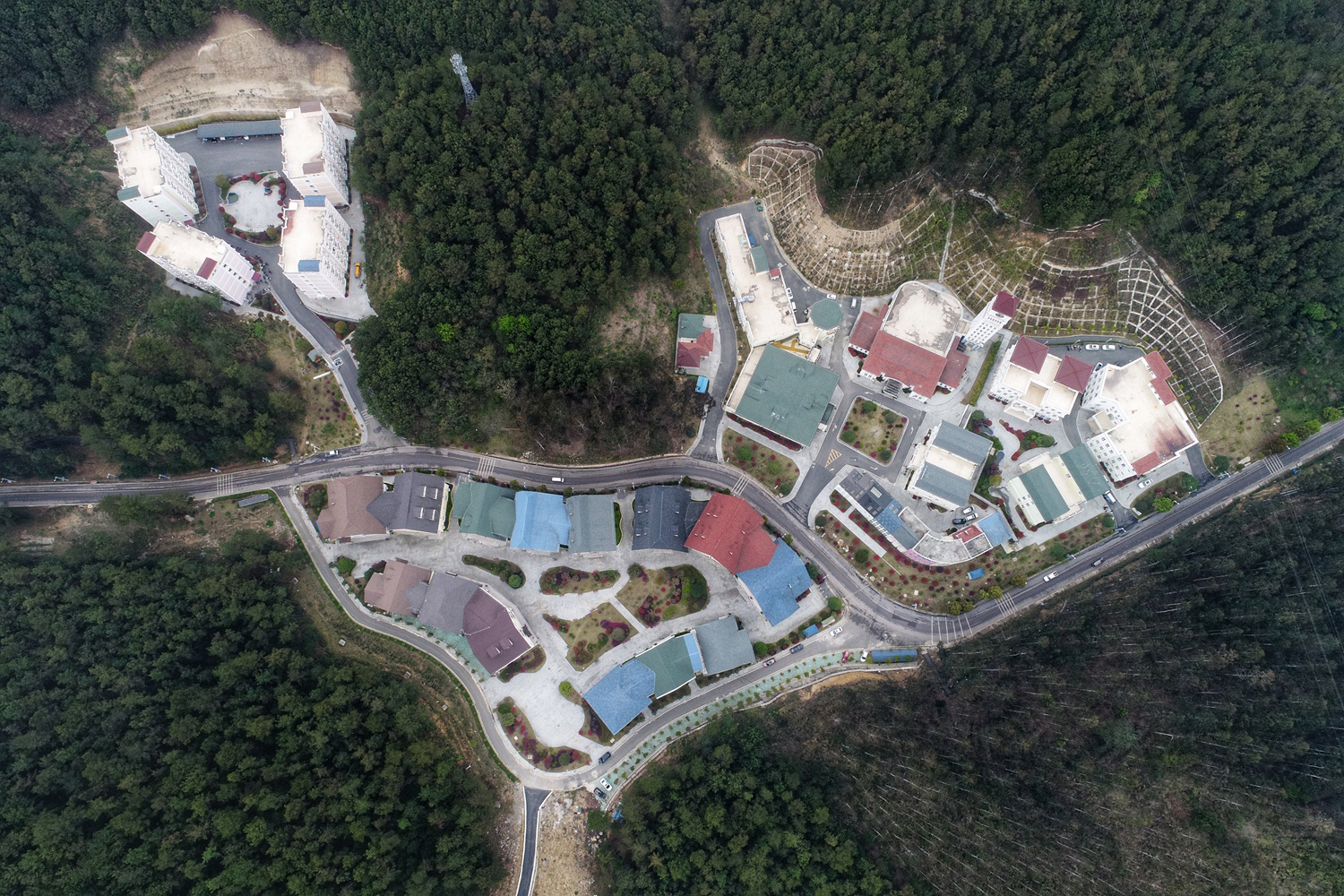
During his years as principal of the Kodaikanal International School in South India, Norman Habel formed a deep bond with the Grihini women — a community of local women whose resilience and warmth left a lasting impression. They came to call him thatha, the Tamil word for grandfather, a name that speaks to the trust and affection that grew between them.
Among the stories from that time are memories of laying the foundations for the Middle School — a project that brought together international educators and local craftspeople, blending global vision with the rhythms of village life. These experiences shaped Habel's understanding of education as something rooted in place, culture, and mutual respect.
The Grihini narratives offer a window into a world where international education met the everyday realities of South Indian village life — a cross-cultural encounter that enriched both sides.
The Grihini women of Kodaikanal represent a quiet thread of strength woven through Norman Habel's memories of his time in South India. These local women, who worked and lived around the Kodaikanal International School, brought a warmth and grounded wisdom that transcended cultural boundaries. Their daily presence shaped the rhythm of life on the hillside campus, offering lessons in resilience that no formal classroom could provide. The Tamil term thatha, which they affectionately used for Habel, speaks to a relationship built not on hierarchy but on mutual respect and genuine care. Their stories remain a testament to how deeply cross-cultural connections can root themselves when nurtured with humility and openness.
The foundations of the Middle School at Kodaikanal were more than stone and mortar; they were laid alongside bonds of trust between Habel and the Grihini community. This shared project reflected a broader vision of education that valued relationship as much as infrastructure. The Grihini women brought their own knowledge of the land and its rhythms to the work, reminding those around them that learning happens not only in classrooms but in the everyday acts of building, cooking, and caring for one another. These memories echo Habel's broader commitment to seeing the sacred in ordinary encounters, where the earth and its people teach us what it means to belong.